*Focal Length, Crop Factor and Field of View

How does sensor size actually affect focal length?

Focal length?  Effective focal length?  Actual focal length?  Crop factor?  Do you get more reach with a crop sensor?  Is it equal to a longer focal length?  There are some misconceptions surrounding what happens when a lens is used on cameras with different sensor sizes.  Let’s have a look at the differences between a full frame, APS-C and micro 4/3 sensor.

Continue reading

*Your Micro 4/3′s camera + your existing lenses = limitless fun.

so much for compact...

so much for compact…

Who cares that Olympus and Panasonic have released relatively few lenses, mainly slow zooms, for the micro 4/3’s cameras?  Adding m4/3 mount adapters to your bag opens up a bevy of hundreds of lenses.  What you gain in variety though, you may loose in automated functionality.  Continue reading

*High Dynamic Range with Photomatix

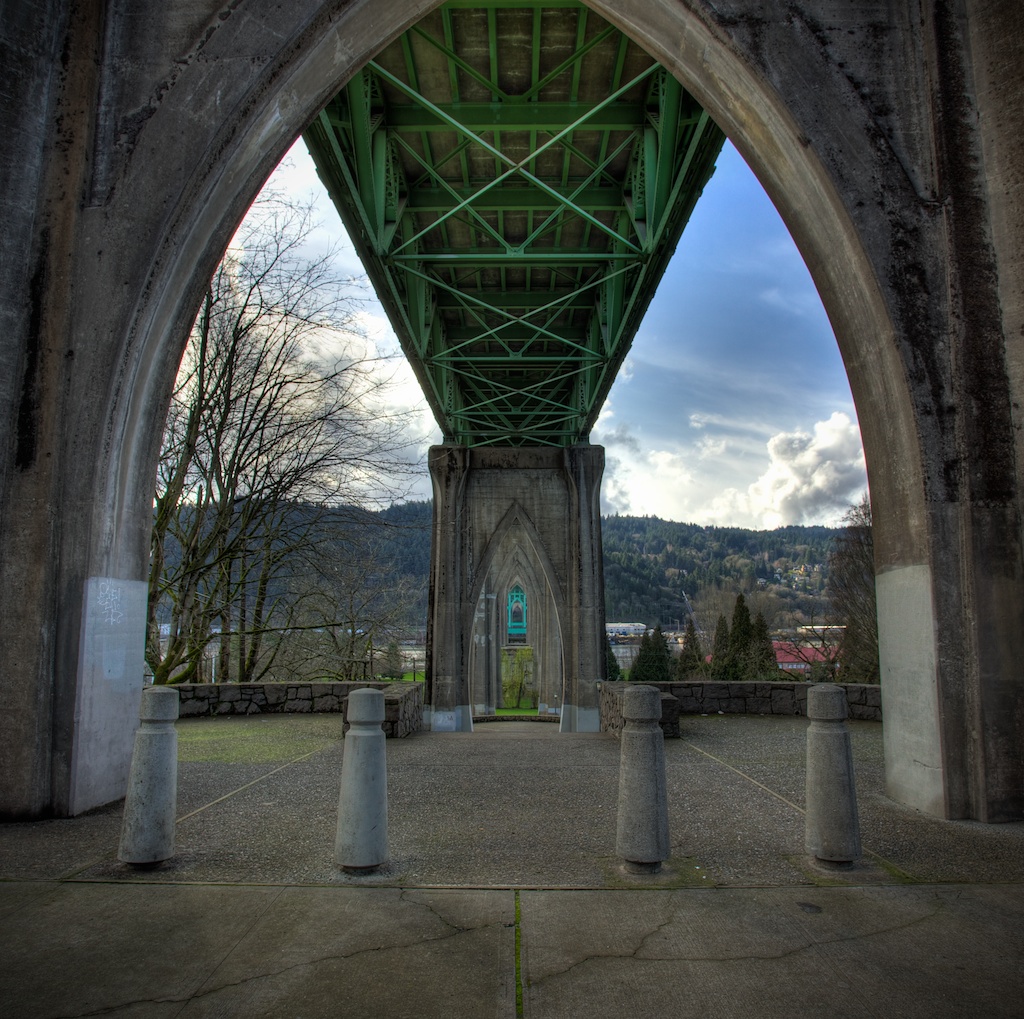
Under the bridge, completely enveloped in shadow...

Are you ever frustrated by scenes that are too dynamically diverse having to lose your highlight and shadow info to expose for the midtone ultimately losing the shadows to dark noisy areas and blowing out your highlights resulting in detail-less white blotches?  I think that I can help.  This isn’t the only HDR or Photomatix tutorial on the web, but you’re here, and it’s free.  Regardless of how you feel about some of the HDR imagery that can bombard the senses, combined with the proper capture technique HDR software can help achieve, photographically ,the dynamic range that the human eye is capable of seeing.  By using this method of combining bracketed exposures, you can save yourself hours of dodging and burning, masking and aligning in Photoshop, with simple HDR software, or you can create your own fantasy cartoonish grunge-scape if that’s what you’re after.  I will walk you through step by step instructions regarding the proper capture and postprocessing  techniques using the popular HDR software, Photomatix from HDRsoft.  I also have a discount code to offer you 15% off (TRP15) if you choose to purchase the software.  To follow along, Photomatix is available as a non-expiring full free download (it will just watermark your images) to use and feel out the benefits to this very popular tool in digital photography.   Read on for links, techniques and a software discount…

Continue reading

*Which lens for which situation?

different tools for different applications

I like to spend time on flickr.  It is an amazingly diverse community of photographers ranging from absolute novices to consummate professionals.  One of the questions that come up in the gear groups there and in conversation with other photographers quite often is, “which lens should I purchase?”  With interchangeable lens system cameras coming down in price by the day it seems, it is becoming much more accessible to acquire high quality photographic tools.  One of the main benefits to an interchangeable lens camera, is just that, lenses!  Which to choose and why?  C’mon in and we shall discuss.  Before the end of this article, you too will know which lenses will provide you with the best bang for you buck, depending on which buck you choose to bang… Continue reading

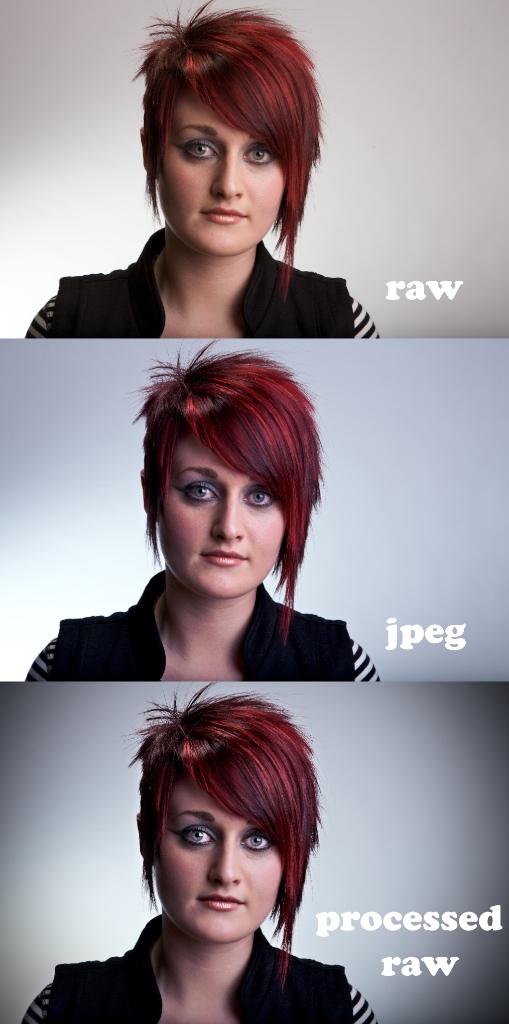
*RAW vs. JPEG

Which file format should you shoot in, when and why?  Now that most photography is being captured in a digital format, we have so many more choices when it comes to processing our image files.  Granted, the amount of time you spend in front of a computer may be directly taking away time from behind the lens, but the question remains, do you prefer being an chef, or would you rather have someone else cook your images for you?  Continue reading

*Metering and Exposure Compensation. Which, when, why?

Metered off the wall…

Metering for a particular scene can be tricky.  The goal, in most cases, is to expose for your subject, telling your camera what it should consider the proper exposure for 18%, or “Middle Gray” and adjusting your exposure based on the light that is hitting your subject, or the light involved in the scene.  Most cameras will utilize an automatic, average metering as a default which most of the time will do a decent job at keeping the highlights and shadows in control.  First, before we delve into the different metering styles, we should examine one of the most helpful tools on your camera.  The histogram. Continue reading

*A photographic study in light, Rembrandt Harmensz van Rijn Style!

** Self Portrait – Rembrandt – 1629

(*Blog authors note: Hi, I’ve been seeing a lot of traffic from google searches to this article.  I’d love to hear from those readers about if and how the following article is helping them! thanks and I hope you enjoy – Tyson)

Many art forms mimic the artistic mediums that came before it.  Portrait photography is a way to paint a subject with light and has always been very influenced by the previous predominant form of portrait art, painting.  One master painter that is studied by photographers for his use of light, shadow and impeccable chiaroscuro shading techniques is Rembrandt. …Dude knew his light. Continue reading

*Thank you 4/3 Rumors!

The folks at 43rumors.com were nice enough to link my review of the Panasonic GF1 from their website.  Stop by and say hello to them.  They, much like myself, are just working stiffs doing it for the love of photography.  Support the little guy when you can and if you are interested, by buying a camera through the links to Adorama, Amazon, B&H and the like from their website, you help them out.  Thanks again guys and keep it up.  Very informative and entertaining reading on a daily basis!  (Check out the info regarding the impending LX3 successor and G-series release on their site today.)

Cheers,

Tyson

*Panasonic GF-1, my new obsession.

The start of a new decade brings with it a shift in digital image capturing technology.  From an ambitious snapshooter’s perspective, perhaps the most versatile system has presented itself.  While the discerning professional may not consider the micro 4/3 system cameras heavy lifting tools, it is at least an intriguing compact system for lighter shooting.  Continue reading

*Aperture!

Controlling your aperture, and understanding it’s relationship with the exposure trifecta can be one of the most profound tools to manipulating the look of your photographs.  As we discussed in the trifecta post, the aperture is a hole which allows light to pass through the lens and onto the sensor or film.  By controlling the size of this hole, you control the amount of light passing through the lens.  This is it’s primary function.  Bright day, smaller hole.  Dark cave, larger hole to allow as much light in as possible.  The other feature of the aperture is its responsibility for your depth of field (DOF) or area in focus.  If you look at the picture above, you can see on the bar top, that it is blurry in the foreground, sharp at the first wine glass, and then fades quickly back into the out of focus area.  This was achieved by setting a large aperture, which when also getting the camera physically close to the subject in focus, it narrowed my DOF.

Continue reading