*Photovision 2012 discount, it’s that time of year again!


Hello everyone.  If you’ve followed me over the last couple years, you may have seen me post about Photovision, an instructional series that aims to help all photographers with insight into shooting, setting up a business, marketing and technique as well as offers discounts for many photographic goods and services.


I’ve subscribed for the last 3 years and have continued to glean tons of great information and would highly recommend anyone interested in getting a detailed behind the scenes look at many working professional photographers to do so as well.


This is my link which enables a substantial discount ($49 for six DVDs, normally $199, or access to instant content for a monthly price) and with signups enters me in a drawing, so if you do plan to subscribe, any subscriptions done through my link would be greatly appreciated 🙂

USE THE CODE “PVFAN” to gain the 75% discount via this link:


http://www.photovisionvideo.com?afid=65508


Thanks and happy shooting,


Tyson

*OM-D E-M5 vs G3… what’s this about a new sensor?

The Micro 4/3 system has really grown up in the last year. Sensor tech has taken a substantial step forward and the lens lineup has rounded itself out very nicely. Much has been eluded to regarding the origins of the OM-D E-M5 sensor, is it a reworked Panasonic sensor, a Sony sensor, an inhouse super secret sensor??? Oly came out and admitted that Sony is the manufacturer of the sensor in the OM-D E-M5 quelling the rumor mill, and of course, the G3/GX1 (and quite possibly the soon to be G5) sensor, built by Panasonic, is in fact different. That all said, I really wanted to see how these two sensors compared to one another as I have been very impressed by the G3. C’mon in and we’ll take a closer look at a few files.

Continue reading

*OM-D E-M5, thoughts, pros and cons.

Like many other camera geeks and micro 4/3 system fans out there lately, I’ve been reading up on anything that I can find on Oly’s new flagship micro 4/3 camera. It touts some pretty impressive specs, but how does it come across in function? I pulled the trigger, and while happy that I did, I do find that there are some things about the camera that seem to have been overlooked or neglected. There are many articles outlining the spec sheet and testing the features, this is my own personal feel coming from someone who uses this camera as a daily tool and has been doing so for the last couple weeks.

Continue reading

*Lensbaby Composer Pro for MILC Cameras, a system within a system.

April 2nd, 2012 – Lensbaby has announced it’s second MILC dedicated product which now gives the MILC (Mirror-less Interchangeable Lens Compact) systems, micro 4/3, NEX, and NX users access to every optic and add on in the Lensbaby system.  Where the Tilt Transformer  for Micro 4/3 and NEX cameras allowed for the Composer Front to be used, it was limited to the Lensbaby optics that were compatible.  Now, the Sweet 35, Fisheye, Edge 80, Macro Converters and all standard optic swap inserts are entirely compatible!  It’s like immediately gaining access to a bunch of new lenses for these young systems clamoring for more affordable and diverse options.  More after the jump…

Continue reading

*Kevin Kubota’s Lighting Notebook, along for the ride.

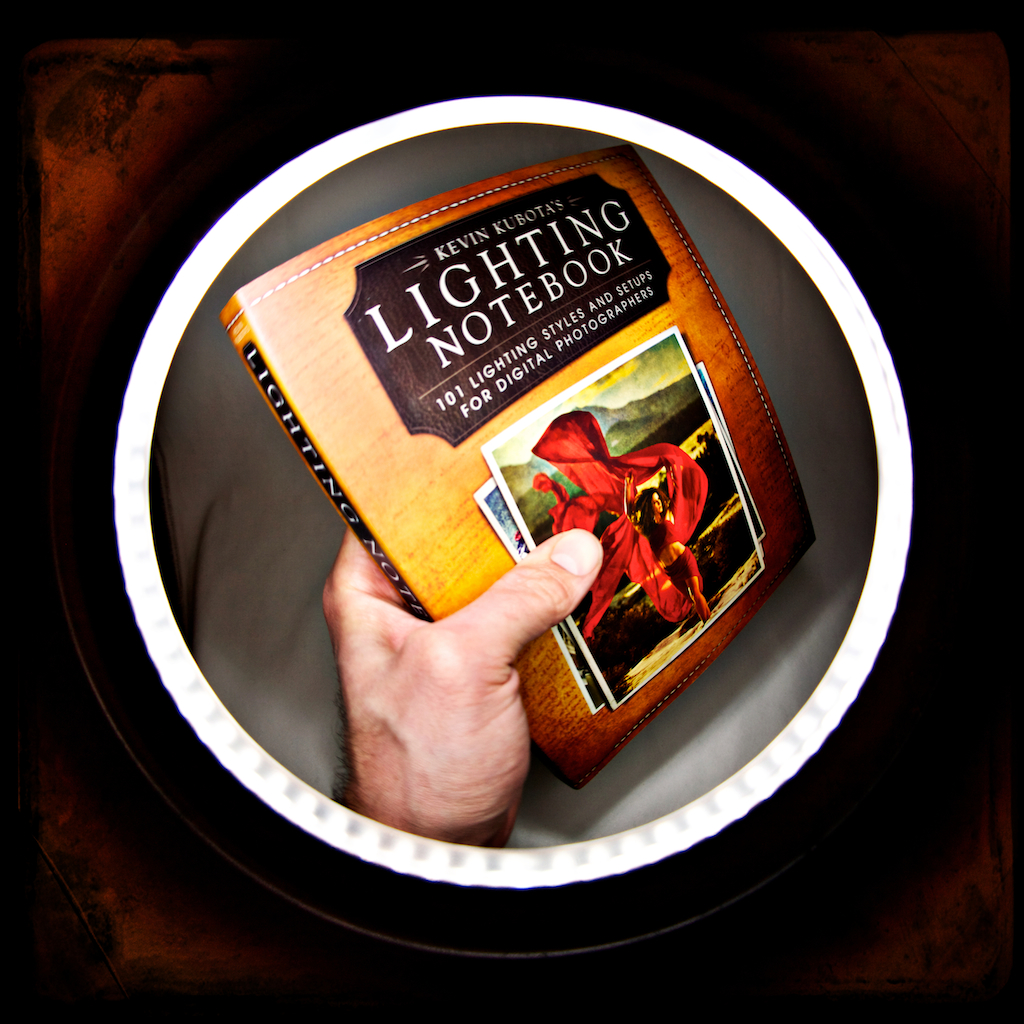
There are a few seemingly predictable benchmarks that photographers reach during their personal photographic journeys. After grasping exposure basics we may gravitate toward gear to replicate a particular style which may then be further embellished when we discover bokeh, selective focus, light painting, or start to really understand aspects of a post processing workflow enabling us to literally develop our own look, or replicate popular or interesting “looks” from our fellow photographers. Inevitably, at some point, photographers start to contemplate integrating added light or modifying and controlling existing light in their compositions. Wether that be for portraiture, action, event, product photography, et al, understanding the use of added light or manipulation and control of existing light is a huge tool available to those who choose to use it. Mr Kubota, popular for his seamless, post production streamlining photoshop actions has invited us into his mind with his recent book “Kevin Kubota’s Lighting Notebook, 101 Lighting Styles and Setups for Digital Photographers” C’mon in for a closer look and a few thoughts as I try to play the role of book reviewer 🙂

UPDATE!!! – The companion App is now out.  More than a companion per se, I’d say it’s a great way to get this book, it’s content and diagrams on your tablet.  You can view both the book and app, as well as purchase them directly through Kubota Imaging Tools HERE.

Continue reading

*Exposure 4, it just keeps getting better.

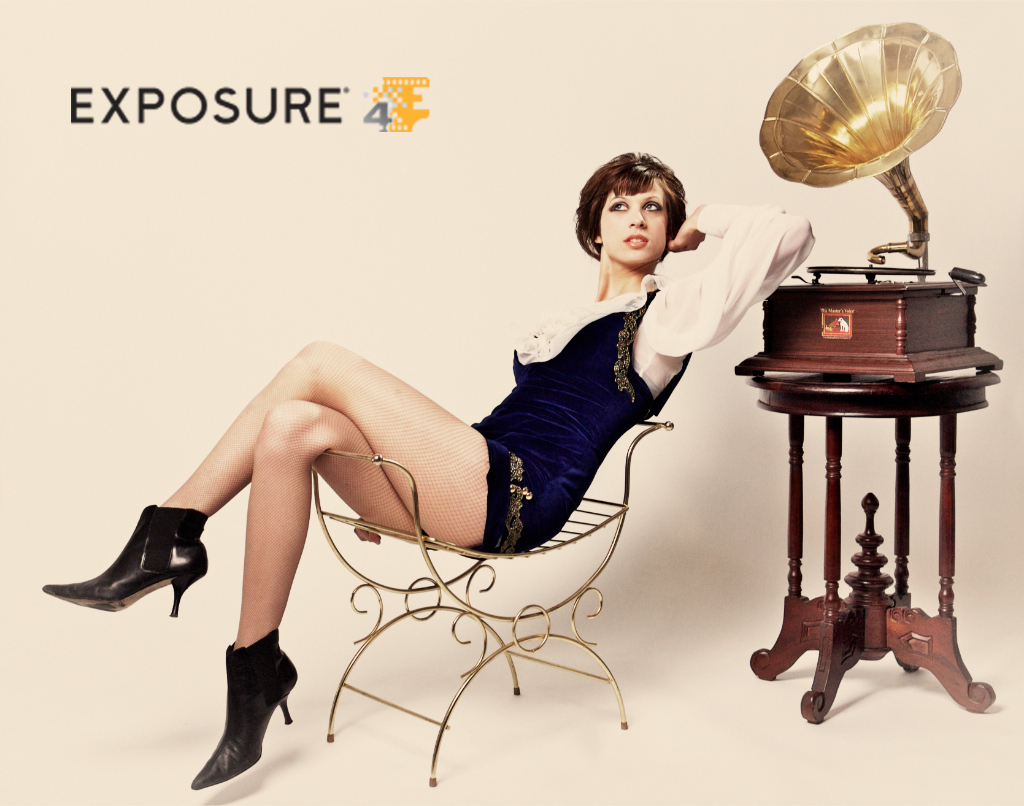
I’ve been a huge fan of Alien Skin’s software for years now so I’m sure it’s no surprise that I’m excited by their recent update to an already killer plugin.  Exposure 4 keeps the functional structure in tact and further enhances its skill set to fine tune it into a plugin that will help any photographer, or digital artist further realize their final vision.

Read on for my experience through this exciting new release…

Continue reading

*Sunny 16 and the Moony 8. Shootin’ the moon.

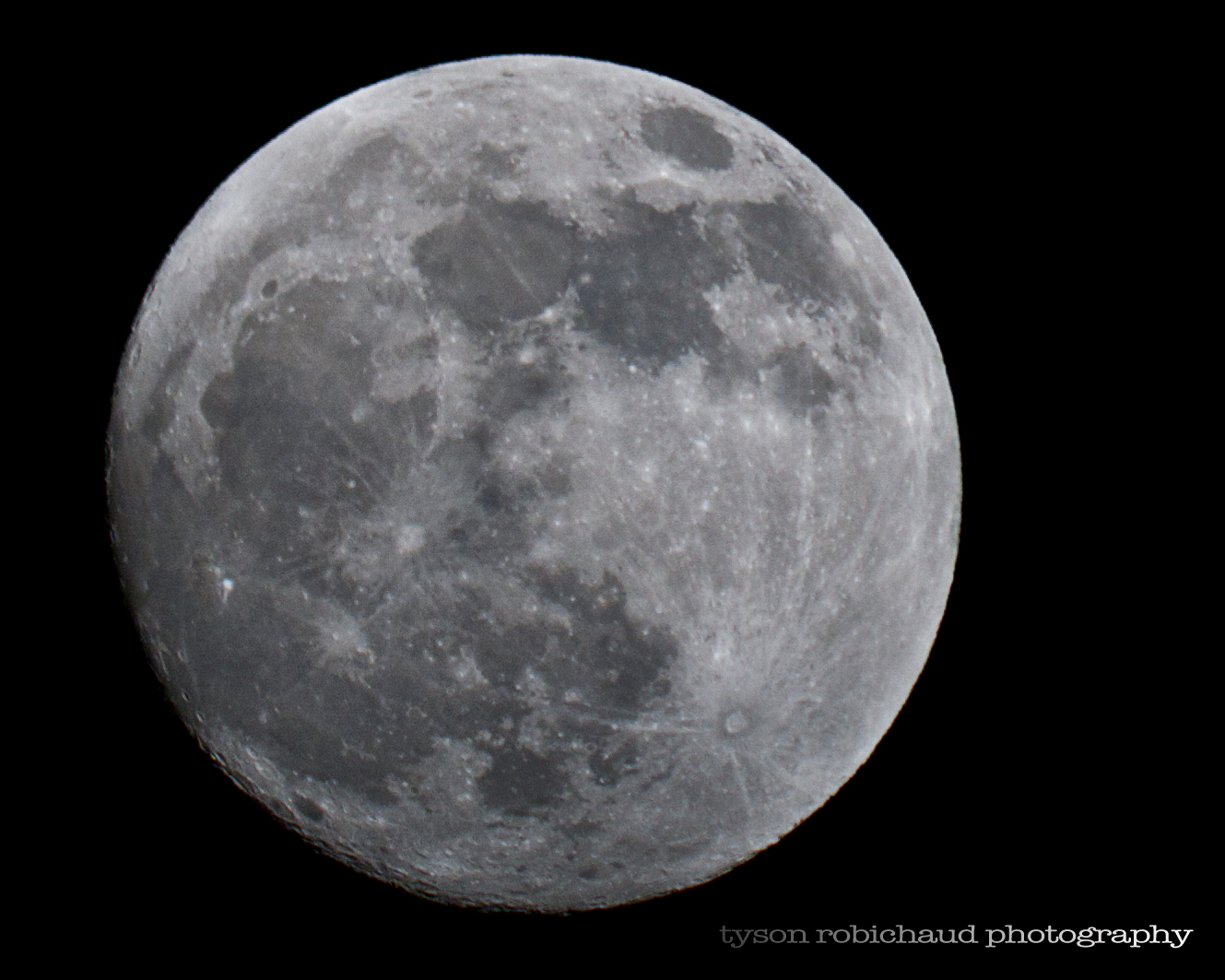
Most of us have heard of the Sunny 16 rule by where the rule of thumb for “proper” exposure on a sunny day would be setting your aperture to f/16 and your shutter speed to 1 / x, where X = your ISO setting.  Basically, at f/16 and shooting at ISO 100, we would set our shutter speed to 1/100 and you’d be set (1/200 at ISO 200, etc).  Of course there are other variables to take into consideration depending on your desired outcome or subject, but it gets you close enough.  Well, after some trial and error (emphasis on the latter) I came to realize that when shooting the moon, I was having a very hard time properly exposing it.  Wanting to eliminate as much noise as possible, I was shooting at lower ISOs and after some more trial I found that I was coming in at about f/5.6- f/8 when spot metering and compensating for the extra brightness (I figured I should account for about 2 full stops over midtone) with the same one over rule as the Sunny 16…  This got me wondering if there was in fact a night shooters rule of thumb, and there in fact is…

Continue reading

*Lensbaby’s brand new Edge 80 Optic!

February 14th, 2012 – Uh oh, don’t look now.  Lensbaby has further diversified their lineup with a sharp, solid portrait lens with the same quirky capability of that signature Lensbaby look…  It’s been a busy winter for Lensbaby.  Out now and available immediately, the new Edge 80 optic.  Like the Sweet 35 before it, the Edge 80 has the ability to control the aperture of the optic without having to use the magnetic drop in disks necessary with the standard optics.  An 80mm f/2.8 Flat Field focus Optic with a 12 blade circular, user controlled aperture mechanism is great for anything from portraits to street shooting.  Read on for more examples and links…

Continue reading

*Digital Film Tools – Film Stocks Plug-in!

Officially announced and available immediately for $95usd (still image plugin) or $195usd (video plugin) this new offering from Digital Film Tools gives you the same amazing layer based control as Tiffen Dfx v.3,  for 288 different film stock replications.  Read on for examples and more info…

Continue reading

*Lensbaby’s NEW Macro Converters!

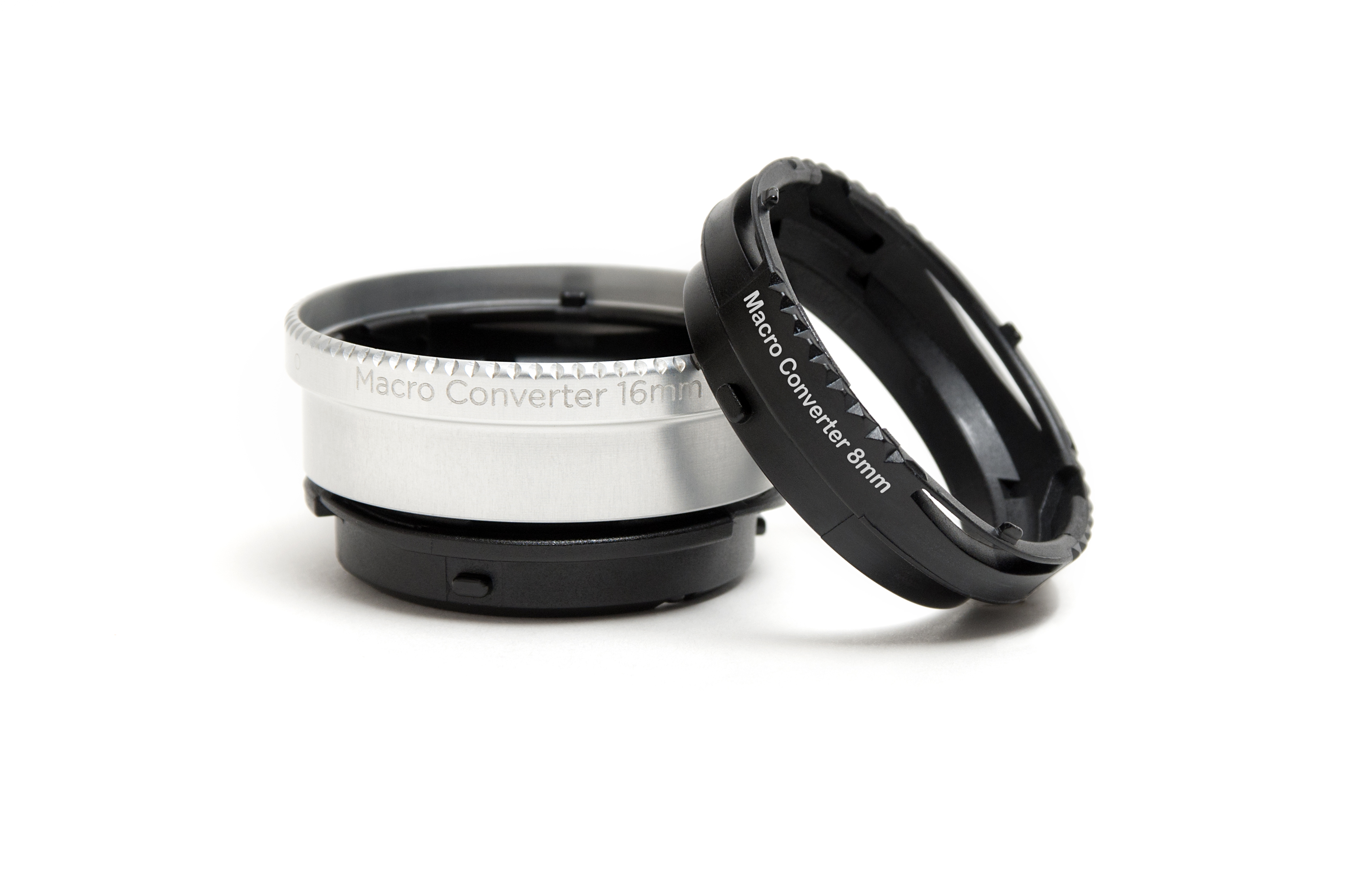
Lensbaby's new Macro Converters! image©lensbaby

February 2nd, 2012 – Just announced and available immediately,  the new 8mm and 16mm Lensbaby Macro Converters, compatible with all LB Optics!

Using Lensbaby's new 16mm macro converter.

read on for my take as well as price, specs and links…

Continue reading