Eyes are not only a window, but a roadmap. I’ve always felt that I can tell a lot about a person based on the shoes they wear, and the kind of person they are by their eyes. Eyes tell you a story, they paint emotion and can determine the power of a portrait. Of course there are many, many other elements to pay attention to, but a good portrait quite often starts and ends with the eyes. Even in snapshots, making sure everyone’s eyes are at least open is one of the first things you check when glancing on the LCD screen right? Assuming we’ve captured a shot with eyes open wide, getting them to pop can make the difference between a good portrait and a wow shot. Here are a few techniques that I use, and have found from others, that can help make those eyes stand out.
Tag Archives: post processing
*The Eyes Have It.
*Alien Skin Bokeh 2
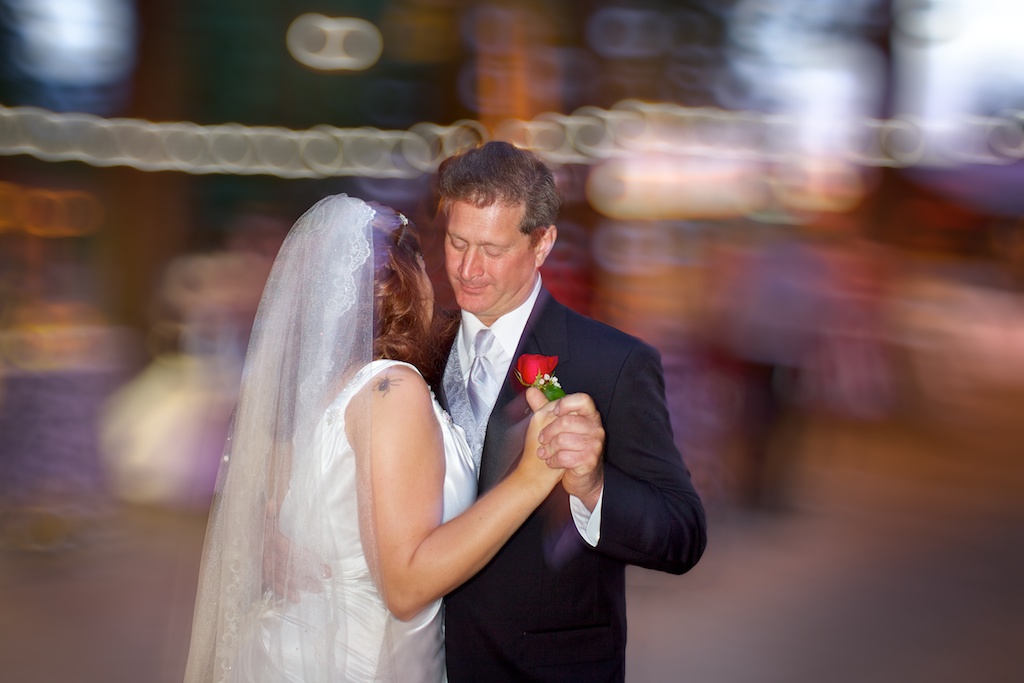
Bokeh (/bō’kɛ/): In photographic terms, has grown to mean the subjective quality of the out of focus areas in a photograph, and how a particular lens renders out of focus points of light (adopted from the Japanese term boke 暈け, meaning fuzzy, disoriented, et al). Pronounced BO (as the bo in bone) and KE (as the ke in ken) if we are taking it directly from the Japanese word, while the “h” was added to help non Japanese speaking photographers pronounce this adopted term (see the wikipedia article for the history on the term and idea in photographic application). While the definition, pronunciation and it’s subjective nuances are often debated as to it’s application in the photographic realm, it hasn’t stopped Alien Skin from creating a plugin that beautifully applies an out of focus blur to selected areas of an otherwise focused image. With their second release, Bokeh 2 has added new bells and whistles as well as a more refined control of both radial and planar regions within an image and it’s area of focus. Read on for examples and why I think this is a wonderful deal of a plugin.
*Exposure 3, third time’s a charm!

Alien Skin's Exposure 3 makes your digital files instantly feel film like. - ©tyson robichaud photography 2010
I have been curious about the Alien Skin Exposure software plugin for Photoshop for a long time. With the third iteration, Exposure3 has taken their film simulation software even further. Read on for examples and reviews…
*Authors note: Link to Alien Skin’s Newsletter showing this article here!
To those who’ve come from the newsletter, welcome!!!
(March 2012) Now that Exposure 4 has been released, you can read my updated review HERE!
*Free Photoshop Contrast Pop Action!
Here is a brief tutorial on how to add a contrasty “look” to just about any picture. There are sites out there to purchase many of these types of actions, and some of them are well worth the price, but I’ve found that through my years, many other photographers have offered up free advice as I was learning to scrape the surface of Photoshop, which enabled me to gain a deeper understanding of my post processing. So, in this tradition, I shall try to pay back a bit of that help by offering up this little trick. I know that many photographers would rather spend their free time taking pictures, not in front of a computer processing them. I myself find enjoyment on both sides of this coin, but I sure don’t mind being able to quickly automate some of my more “used” techniques. This is one of them…
*Photography vs Art
Where does a photograph stop being a photograph and start becoming something different? We’ll call it an ‘artistic interpretation’ for lack of a better description. Or, are they one in the same no matter what level of manipulation has been applied? I’ve been taking pictures for a while, more of my life than not if you don’t count the hiatus I took after college when I was bogged down with three jobs. I still have some shots from that time period, but they are few and far between. So, I feel like photography has been a part of my life for a while. I’ve not spent too much time thinking about it in these terms until recently. Prior, I’ve just enjoyed taking pictures but thanks to the internet and my epiphany that there are other people out there with opinions getting me to challenge my personal understanding, I feel like it is an entertaining idea to explore. Is anything done to a photograph, after an image has been captured, by way of any kind of manipulation actually doing something that betrays the purity of photography, or is it just part of the progression? Well… let us explore. Continue reading
*The 5 minute Greenberg Treatment.
For those who do not know, Jill Greenberg is a famous photographer to the stars. Some of her work has received, uh, criticism, for her use of light or tactics to achieve certain reactions with, or effects on her subjects (see the crying babies in her ‘End Times‘ series, or the now famous John McCain shoot). I call it art, but I do fall on the crass, perhaps cynical side of the human spectrum. Regardless of your personal feelings toward her, the lighting she uses is dramatic. Her style has been duplicated by many a strobist and comes about by a pretty easy to replicate setup. Now, to do it well, is a bit trickier but we gotta start somewhere right? Read on for a quick light set-up and easy to follow post processing technique. Continue reading
*Floating in Photoshop! How to levitate in a photo.
*Wanted to thank everyone who has stopped by to read this post over the last few years. I’ve received quite a few emails and seen links back to this article from many different forums based in many different countries. Thank you! As originally mentioned in the tutorial below, this isn’t a particularly original tactic, but if you put your own spin on it, it can produce some really cool imagery. Okay, on to my original posting, and thank you again for everyone who has stopped by. I’ve been really excited to converse, learn and meet with many of you since I started this blog over three years ago!
Enjoy,
Tyson
This is not an original idea, but so few ideas are anymore. While it may be a well used tactic, it can be very effective. I’ve played around with this technique a few times and it is one that when done decently will almost always get a “wow!” or at least a “huh, wait, what?” It is easy to do as well. It requires Photoshop, or if you are fundamentally against paying $600 for software you can download GIMP. I’ve used Photoshop for this one, so if using GIMP, you will need to translate these steps into GIMP-speak which shouldn’t be too hard.
Okay, our goal is to appear to be floating, or hovering so unless you’re an accomplished zen levitation master, you will need to take two pictures to create the illusion.
*High Dynamic Range with Photomatix
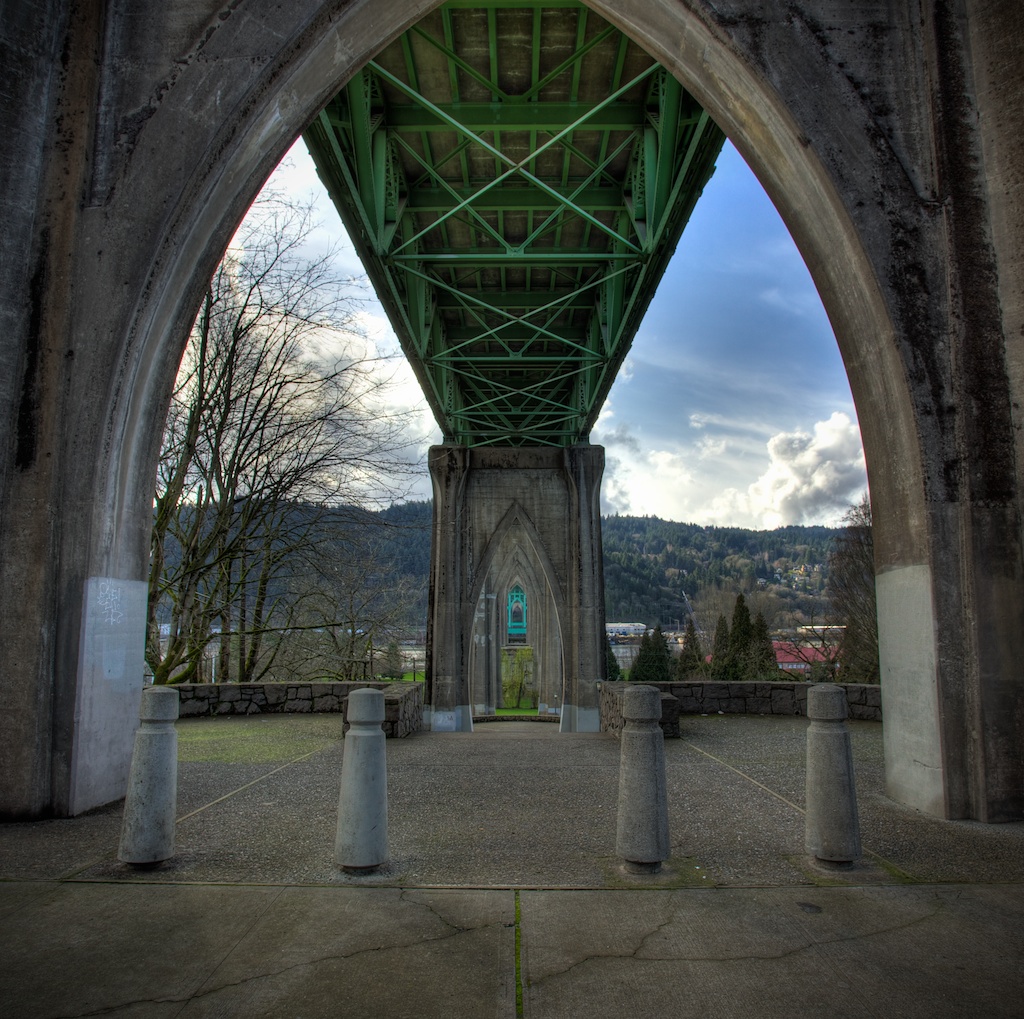
Are you ever frustrated by scenes that are too dynamically diverse having to lose your highlight and shadow info to expose for the midtone ultimately losing the shadows to dark noisy areas and blowing out your highlights resulting in detail-less white blotches? I think that I can help. This isn’t the only HDR or Photomatix tutorial on the web, but you’re here, and it’s free. Regardless of how you feel about some of the HDR imagery that can bombard the senses, combined with the proper capture technique HDR software can help achieve, photographically ,the dynamic range that the human eye is capable of seeing. By using this method of combining bracketed exposures, you can save yourself hours of dodging and burning, masking and aligning in Photoshop, with simple HDR software, or you can create your own fantasy cartoonish grunge-scape if that’s what you’re after. I will walk you through step by step instructions regarding the proper capture and postprocessing techniques using the popular HDR software, Photomatix from HDRsoft. I also have a discount code to offer you 15% off (TRP15) if you choose to purchase the software. To follow along, Photomatix is available as a non-expiring full free download (it will just watermark your images) to use and feel out the benefits to this very popular tool in digital photography. Read on for links, techniques and a software discount…
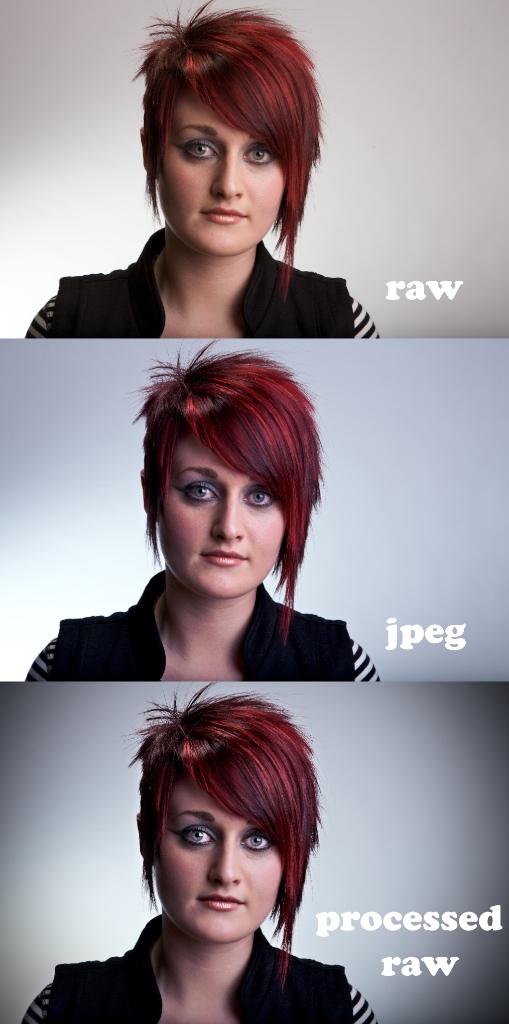
*RAW vs. JPEG
Which file format should you shoot in, when and why? Now that most photography is being captured in a digital format, we have so many more choices when it comes to processing our image files. Granted, the amount of time you spend in front of a computer may be directly taking away time from behind the lens, but the question remains, do you prefer being an chef, or would you rather have someone else cook your images for you? Continue reading