For those of us in the US, it is getting close to the 4th of July holiday and a fun photo opp. Capturing fireworks can present some fairly unique challenges, but with a game plan, it can be a lot easier than you think…
Category Archives: Photography tutorials
Technical photographic tutorials.
*A new way to see indeed!
Why do we take pictures? For the majority of us, I’d guess it falls somewhere into the realm of, enjoyment and/or documentation. Regardless of the medium, whether it be digital or film, we like to preserve moments and may enjoy trying to do so with some level of artistry. Isn’t it nice when someone says, “wow, that is cool!” or “how did you get your picture to look like that?” Simply put, many of us enjoy taking pictures because we like to and it’s nice when that is noticed or appreciated. Add in a few cool tools and enjoyment can turn into excitement from behind the lens.
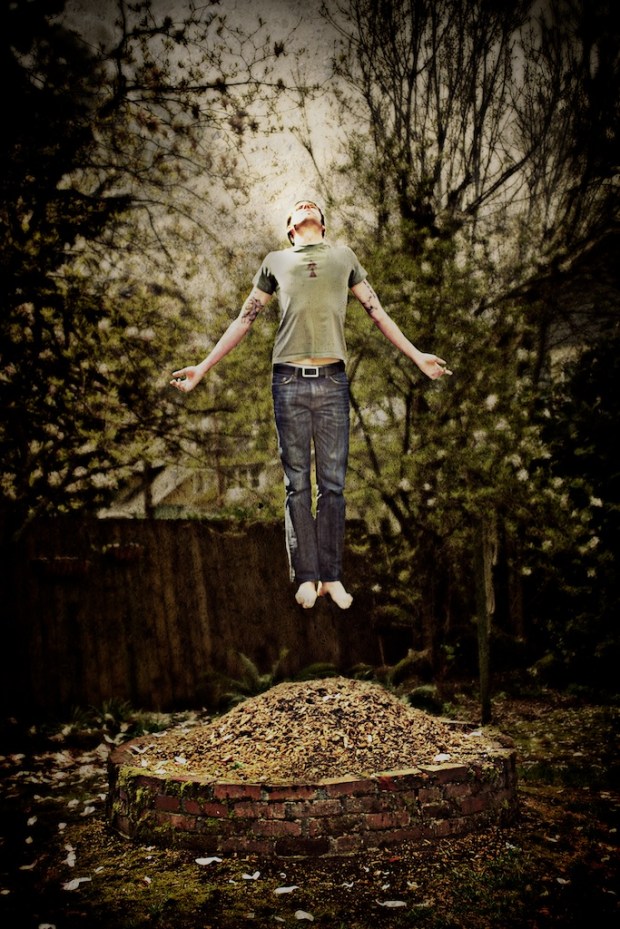
*Floating in Photoshop! How to levitate in a photo.
*Wanted to thank everyone who has stopped by to read this post over the last few years. I’ve received quite a few emails and seen links back to this article from many different forums based in many different countries. Thank you! As originally mentioned in the tutorial below, this isn’t a particularly original tactic, but if you put your own spin on it, it can produce some really cool imagery. Okay, on to my original posting, and thank you again for everyone who has stopped by. I’ve been really excited to converse, learn and meet with many of you since I started this blog over three years ago!
Enjoy,
Tyson
This is not an original idea, but so few ideas are anymore. While it may be a well used tactic, it can be very effective. I’ve played around with this technique a few times and it is one that when done decently will almost always get a “wow!” or at least a “huh, wait, what?” It is easy to do as well. It requires Photoshop, or if you are fundamentally against paying $600 for software you can download GIMP. I’ve used Photoshop for this one, so if using GIMP, you will need to translate these steps into GIMP-speak which shouldn’t be too hard.
Okay, our goal is to appear to be floating, or hovering so unless you’re an accomplished zen levitation master, you will need to take two pictures to create the illusion.
*A photographic study in color, Henri Matisse style.
Henri Matisse (1869-1954) is known for being one of the originators of the Fauvist style where contemporary impressionist rendition gave way to bold color and hard lines. His use of complementary colors and shape provided a twist on traditional French painting. While Fauvism was seen by some to be untrained and wild by comparison to contemporary style at the turn of the century, the use of vibrant, expressive colors enabled Matisse to direct the viewers eye through his canvas leading his viewer’s attention where he wanted it.
I’d like to play with the idea of utilizing complementary color using photography as our medium.
*Focal Length, Crop Factor and Field of View
Focal length? Effective focal length? Actual focal length? Crop factor? Do you get more reach with a crop sensor? Is it equal to a longer focal length? There are some misconceptions surrounding what happens when a lens is used on cameras with different sensor sizes. Let’s have a look at the differences between a full frame, APS-C and micro 4/3 sensor.
*Your Micro 4/3′s camera + your existing lenses = limitless fun.
Who cares that Olympus and Panasonic have released relatively few lenses, mainly slow zooms, for the micro 4/3’s cameras? Adding m4/3 mount adapters to your bag opens up a bevy of hundreds of lenses. What you gain in variety though, you may loose in automated functionality. Continue reading
*High Dynamic Range with Photomatix
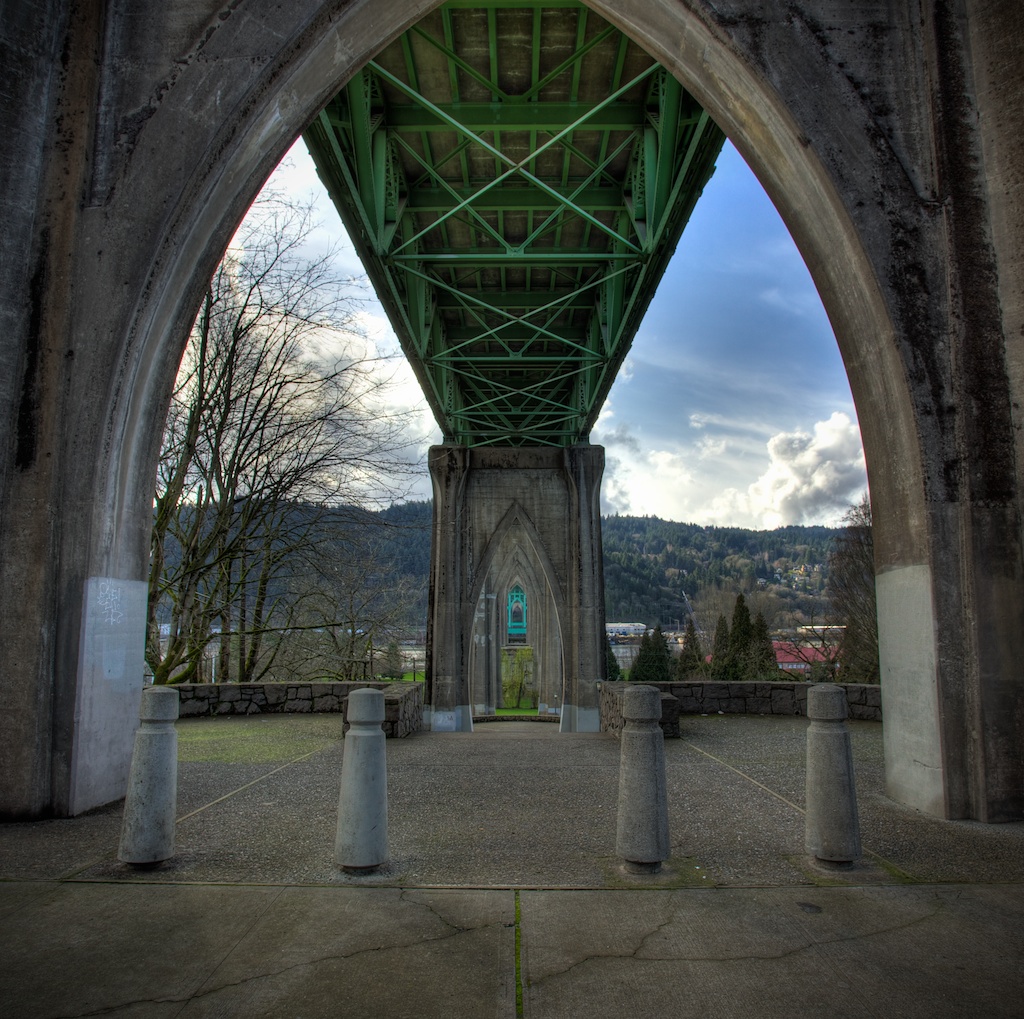
Are you ever frustrated by scenes that are too dynamically diverse having to lose your highlight and shadow info to expose for the midtone ultimately losing the shadows to dark noisy areas and blowing out your highlights resulting in detail-less white blotches? I think that I can help. This isn’t the only HDR or Photomatix tutorial on the web, but you’re here, and it’s free. Regardless of how you feel about some of the HDR imagery that can bombard the senses, combined with the proper capture technique HDR software can help achieve, photographically ,the dynamic range that the human eye is capable of seeing. By using this method of combining bracketed exposures, you can save yourself hours of dodging and burning, masking and aligning in Photoshop, with simple HDR software, or you can create your own fantasy cartoonish grunge-scape if that’s what you’re after. I will walk you through step by step instructions regarding the proper capture and postprocessing techniques using the popular HDR software, Photomatix from HDRsoft. I also have a discount code to offer you 15% off (TRP15) if you choose to purchase the software. To follow along, Photomatix is available as a non-expiring full free download (it will just watermark your images) to use and feel out the benefits to this very popular tool in digital photography. Read on for links, techniques and a software discount…
*Which lens for which situation?
I like to spend time on flickr. It is an amazingly diverse community of photographers ranging from absolute novices to consummate professionals. One of the questions that come up in the gear groups there and in conversation with other photographers quite often is, “which lens should I purchase?” With interchangeable lens system cameras coming down in price by the day it seems, it is becoming much more accessible to acquire high quality photographic tools. One of the main benefits to an interchangeable lens camera, is just that, lenses! Which to choose and why? C’mon in and we shall discuss. Before the end of this article, you too will know which lenses will provide you with the best bang for you buck, depending on which buck you choose to bang… Continue reading
*RAW vs. JPEG
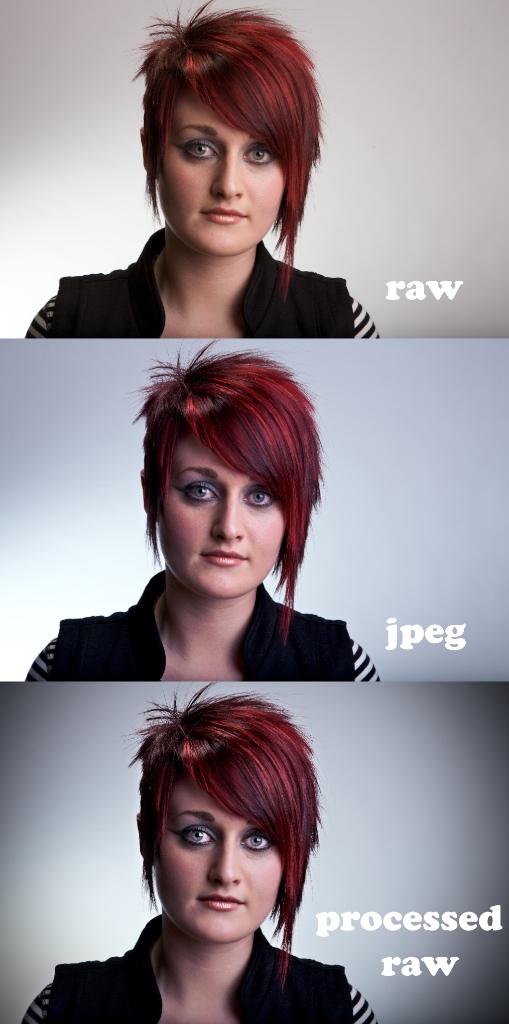
Which file format should you shoot in, when and why? Now that most photography is being captured in a digital format, we have so many more choices when it comes to processing our image files. Granted, the amount of time you spend in front of a computer may be directly taking away time from behind the lens, but the question remains, do you prefer being an chef, or would you rather have someone else cook your images for you? Continue reading
*Metering and Exposure Compensation. Which, when, why?
Metering for a particular scene can be tricky. The goal, in most cases, is to expose for your subject, telling your camera what it should consider the proper exposure for 18%, or “Middle Gray” and adjusting your exposure based on the light that is hitting your subject, or the light involved in the scene. Most cameras will utilize an automatic, average metering as a default which most of the time will do a decent job at keeping the highlights and shadows in control. First, before we delve into the different metering styles, we should examine one of the most helpful tools on your camera. The histogram. Continue reading